
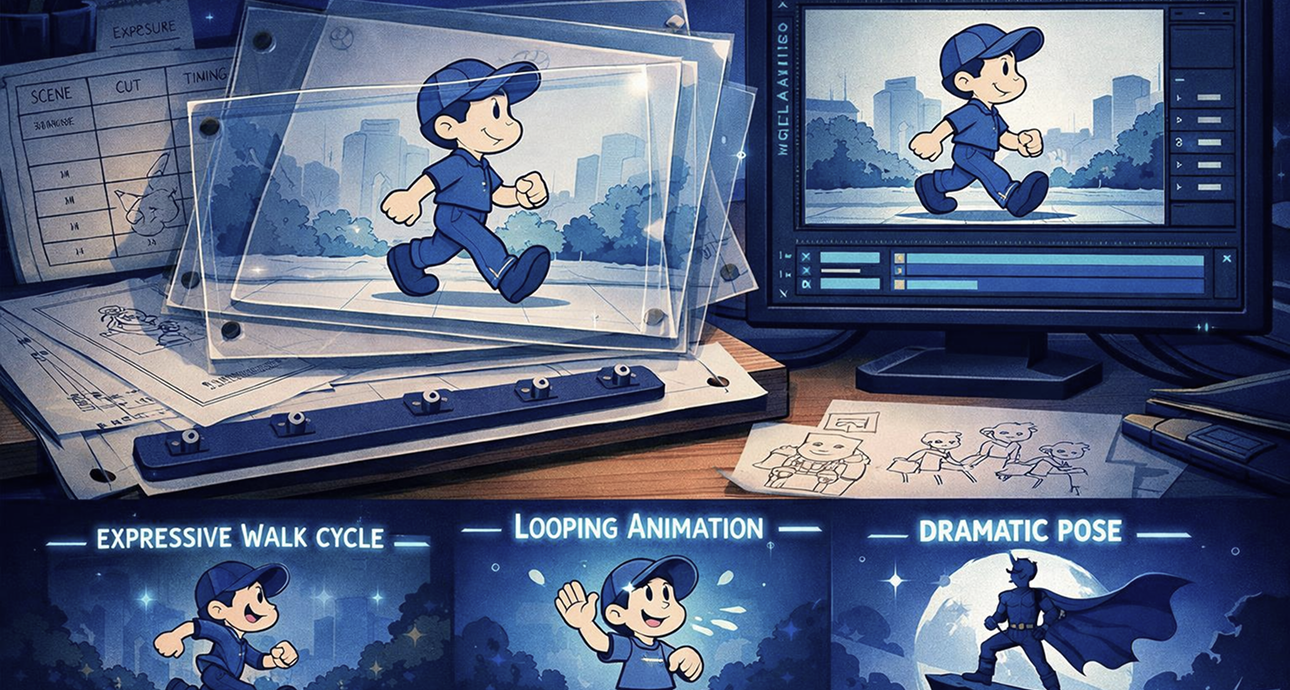
Cel animation represents one of the most influential techniques in animation history. For decades, this method created the cartoons and animated films that defined childhoods worldwide. From Mickey Mouse’s earliest adventures to Disney’s Renaissance masterpieces, cel animation shaped how we understand and appreciate animated storytelling.
But what exactly is cel animation? How did artists create those magical moving images? And why did this once-dominant technique eventually decline? This comprehensive guide explores the cel animation definition, its fascinating history, production techniques, and the classic examples that showcase this art form’s enduring beauty.
What is Cel Animation? Understanding the Definition
The cel animation definition refers to a traditional animation technique where artists draw characters and moving elements on transparent sheets called cels. These celluloid sheets hence the name “cel animation” were placed over painted backgrounds and photographed frame by frame to create the illusion of movement.
Cel animation is fundamentally a form of hand-drawn animation. However, it represents a specific technical approach that revolutionized animation production. Before cel animation, animators redrew entire scenes backgrounds and characters for every frame. This process was incredibly time-consuming and expensive.
Cels solved this problem elegantly. By separating characters from backgrounds using painted acetate sheets, animators could reuse backgrounds while only redrawing moving elements. This innovation made longer, more complex animated films economically viable.
Traditional Animation Before Cels
To appreciate cel animation’s significance, we must understand early animation methods that preceded it.
The Earliest Hand-Drawn Animation
Early animators in the 1900s and 1910s worked entirely on paper. Each frame required drawing the complete image—characters, backgrounds, and all elements—on individual sheets.
Winsor McCay’s “Gertie the Dinosaur” (1914) exemplifies this painstaking process. McCay and his assistant drew thousands of frames entirely by hand. Each drawing showed Gertie the dinosaur with complete backgrounds behind her. This labor-intensive approach limited what early animators could practically create.
Slash and Tear Technique
Some early animators used slash techniques to reduce redrawing. They would cut holes in drawings, placing moving elements behind static foregrounds. While clever, these methods were crude and limited compared to cel animation’s flexibility.
The Invention and Early History of Cel Animation
The cel animation history begins in the early 20th century with several inventors developing the technique simultaneously.
Who Invented Cel Animation?
Earl Hurd patented the cel animation process in 1914. His patent described drawing characters on clear celluloid sheets placed over opaque backgrounds. This separated moving elements from static backgrounds, revolutionizing animation production efficiency.
John Randolph Bray also contributed to cel animation’s development, patenting similar processes around the same time. These inventors recognized that separating animation layers could dramatically reduce production time and costs.
The animation industry quickly adopted cel techniques. By the 1920s, cel animation became the standard method for professional animation studios.
Early Cel Animation Development
Early cels presented technical challenges. The celluloid material was expensive and sometimes unstable. Early acetate sheets would yellow, shrink, or deteriorate over time.
Animators painted cels by hand using special paints. The front side received ink outlines. The back side got color fills. This front-and-back painting created the characteristic look of classic animation.
Studios developed assembly-line production systems. Different artists specialized in different tasks—some drew key frames, others created in-betweens, others painted cels. This division of labor enabled producing longer, more ambitious animated films.
The Cel Animation Process: How It Worked
Understanding cel animation techniques reveals the remarkable artistry and technical skill required to create animated films.
Frame-by-Frame Animation Planning
Cel animation production began with thorough planning. Directors and story artists created storyboards mapping out each scene. These visual blueprints established shots, camera angles, and basic action.
Animators then created exposure sheets (or “X-sheets”). These detailed documents specified exactly what happened in every frame—which drawings appeared, how long they held, when backgrounds changed, and camera movements.
Creating Key Frames and In-Betweens
Lead animators drew key frames—the major poses defining character movement and performance. These key drawings captured the essential moments: the apex of a jump, the extreme of a gesture, the key expressions in a scene.
Assistant animators then created in-between drawings. These “in-betweens” filled gaps between key frames, smoothing movement. The number of in-betweens determined animation fluidity. More in-betweens created smoother motion but required more work.
This frame-by-frame animation process demanded meticulous planning. Animators considered timing, spacing, and the physics of movement. Characters needed to move convincingly, following principles like squash and stretch, anticipation, and follow-through.
The Multi-Layer Cel System
Complex scenes often required multiple cel layers. A character might occupy one cel. Their shadow appeared on another. Effects like rain or sparkles existed on additional layers.
Animation camerapeople photographed these layered cels from above. The camera captured all layers simultaneously, creating composite images. This multilayer system allowed sophisticated compositions impossible with single-layer techniques.
Studios could combine cel characters with elaborate painted backgrounds. Background artists created detailed, painterly scenes. These backgrounds remained stationary while character cels changed, creating movement against stable environments.
Painting and Inking Cels
After pencil animation was completed and approved, the drawings needed transferring to cels. Initially, artists traced pencil drawings directly onto cels using ink pens. This inking process required steady hands and extreme precision.
On the cel’s reverse side, painters filled outlined areas with opaque paint. This created the characteristic look of painted acetate sheets animation—crisp, clean lines with flat color areas.
Paint mixing required considerable skill. Studios maintained strict color standards. Character colors needed absolute consistency across thousands of cels. Paint departments carefully mixed and matched colors to maintain continuity.
The Xerox Process in Animation
In the 1960s, Xerox technology revolutionized cel production. Instead of hand-inking every cel, studios could photocopy pencil drawings directly onto cels. This Xerox process in animation saved enormous time and labor.
Disney’s “101 Dalmatians” (1961) first extensively employed Xerox techniques. The film’s spotted dogs would have been impossibly labor-intensive using traditional hand-inking. Xerox made the production feasible.
However, Xerox changed animation’s aesthetic. Hand-inked lines had warmth and subtle variation. Xerox lines appeared harder, more uniform. Some purists preferred hand-inking’s traditional look, while others embraced Xerox efficiency.
Photographing the Final Animation
After cels were painted, they went to the camera department. Animation cameras were mounted on vertical stands called animation stands or rostrum cameras.
Camerapeople carefully positioned cels over backgrounds. They ensured proper registration—perfect alignment of layers. Then they photographed a single frame.
After each photograph, they replaced cels according to exposure sheets. If a character moved, they swapped in the next cel showing the character’s new position. If backgrounds panned, they moved the background art slightly between frames.
This process continued frame by frame. A 10-minute cartoon at 24 frames per second required 14,400 individual photographs. The precision and patience required were extraordinary.
Classic Disney Films and the Golden Age
Walt Disney Studios animation history showcases cel animation at its absolute peak. Disney’s innovations and artistry defined what cel animation could achieve.
Snow White and the Seven Dwarfs (1937)
Snow White and the Seven Dwarfs represents a watershed moment in animation history. As the first full-length cel-animated feature film, it proved animation could sustain feature-length storytelling.
The production employed hundreds of artists working for four years. The film required approximately 250,000 separate cel drawings. This unprecedented scale demonstrated both cel animation’s possibilities and its enormous production demands.
Disney developed the multiplane camera for “Snow White.” This sophisticated device photographed multiple cel layers at different distances from the camera. By moving layers at different speeds, it created the illusion of depth and three-dimensional space. The multiplane camera became a cel animation staple for decades.
Steamboat Willie (1928) and Mickey Mouse
Before “Snow White,” “Steamboat Willie” introduced the world to Mickey Mouse while pioneering synchronized sound in animation. This short film synchronized action, music, and sound effects precisely—a technical achievement requiring meticulous cel animation planning.
Mickey Mouse became animation’s most iconic character. His simple, appealing design worked perfectly in cel animation. The clean shapes and bold contrasts reproduced well through the cel painting process.
Disney’s character animation advanced rapidly through the 1930s. Animators developed techniques making cel characters more expressive, believable, and emotionally resonant. This character-focused approach distinguished Disney from competitors.
Disney’s Golden Age Features
Following “Snow White,” Disney released a string of cel animation masterpieces. “Pinocchio” (1940) showcased technical virtuosity—complex character animation, elaborate effects, and stunning backgrounds.
“Fantasia” (1940) pushed cel animation in experimental directions. Abstract sequences like “The Sorcerer’s Apprentice” and “Night on Bald Mountain” demonstrated cel animation’s artistic potential beyond conventional narrative.
“Bambi” (1942) featured some of the most naturalistic animal animation ever achieved through cels. Animators studied real deer movements extensively, translating natural motion into appealing, expressive animation.
These classic Disney films established cel animation’s aesthetic and emotional possibilities. They proved animation could rival live-action cinema in artistry, storytelling, and emotional impact.
Hanna-Barbera and Television Animation
While Disney perfected theatrical cel animation, Hanna-Barbera adapted the technique for television’s different demands.
Limited Animation Techniques
Television animation faced severe time and budget constraints. Studios couldn’t match theatrical animation’s production values. Hanna-Barbera pioneered “limited animation”—techniques reducing the drawings required.
The Hanna-Barbera animation style employed static holds, repeated cycles, and simplified designs. Characters might speak with only mouths moving while bodies remained still. Backgrounds repeated as characters ran in place.
These techniques allowed producing half-hour episodes weekly—impossible using full theatrical animation methods. Shows like “The Flintstones,” “Yogi Bear,” and “Scooby-Doo” entertained millions while working within tight production limitations.
Critics sometimes dismissed limited animation as inferior. However, clever writing and character design compensated for animation simplicity. These shows became cultural touchstones despite—or perhaps partly because of—their visual simplicity.
Cel Animation for Weekly Production
Even with limited animation, television production required enormous cel output. A single half-hour episode might need 2,000-3,000 cel drawings. Producing these weekly demanded efficient, assembly-line processes.
Studios employed large teams working simultaneously on multiple episodes. While one episode was being animated, others were in storyboard, background, or final photography stages. This pipeline approach maintained consistent output.
Cel recycling became common. Running cycles, transformations, and action sequences were reused across episodes. Viewers rarely noticed these shortcuts, and they made impossible deadlines achievable.
The Decline of Cel Animation
Despite dominating animation for decades, cel animation eventually faced obsolescence. Understanding this transition from cel to digital reveals how technology transforms art forms.
Rise of Digital Animation Methods
Computer technology began impacting animation in the 1980s. Initially, computers assisted specific tasks—coloring cels digitally, compositing elements, or creating effects. Gradually, digital involvement increased.
“The Little Mermaid” (1989) used Disney’s CAPS (Computer Animation Production System) for coloring and compositing. Cels were still drawn and inked traditionally, but painting and photography happened digitally. This hybrid approach maintained traditional aesthetics while gaining digital efficiency.
Digital ink-and-paint systems allowed faster production and reduced costs. Color consistency improved. Corrections became simpler. Gradually, studios transitioned fully to digital production pipelines.
Animation Techniques Before CGI Gave Way to Digital
Traditional animation methods and animation techniques before CGI persisted through the 1990s. However, digital advantages became increasingly apparent.
Digital systems eliminated physical cels entirely. Artists drew on computers using graphics tablets. Digital files replaced acetate sheets. This transition reduced material costs and physical storage requirements.
Scanning technology allowed blending traditional and digital workflows. Artists could draw on paper, scan drawings, then color and composite digitally. This preserved hand-drawn aesthetics while gaining digital flexibility.
By the late 1990s, major studios abandoned physical cels almost entirely. “Sleeping Beauty” (1959) was one of Disney’s last films using traditional painted cels before the 1990s transition.
Why Cel Animation Ended
Several factors drove cel animation’s decline. Cost considerations played significant roles. Physical materials—acetate sheets, paint, film—were expensive. Digital production eliminated these ongoing material costs.
Environmental concerns also mattered. Cel production used chemicals and materials creating waste. Digital workflows were cleaner and more sustainable.
Production speed increased digitally. Revisions that required repainting entire cels could be made instantly digitally. This flexibility appealed to deadline-driven productions.
However, something was lost. Physical cels possessed tactile quality—visible brushstrokes, slight paint variations, and handcrafted warmth. Digital animation initially looked clean but sometimes sterile compared to cel animation’s organic feel.
Preservation of Animation Cels and Collecting
As cel animation ended, original cels became valuable artifacts and collectibles.
Animation Cels as Art and Memorabilia
Animation collectors and memorabilia enthusiasts recognized cels’ historical and artistic value. Original cels from classic films became highly sought-after collectibles.
Disney cels, particularly from golden age films, command premium prices. A single cel from “Snow White” or “Pinocchio” might sell for thousands of dollars. Complete sequences or especially significant moments fetch even higher prices.
The uniqueness adds value. Each cel is literally one-of-a-kind—a single frame from a classic film created entirely by hand. This appeals to collectors appreciating both artistic merit and historical significance.
Cel Preservation Challenges
Preserving animation cels presents challenges. Early acetate sheets deteriorate over time. The material yellows, becomes brittle, or develops “vinegar syndrome”—a chemical breakdown producing acetic acid odor and causing deterioration.
Museums and archives developed special storage methods. Climate-controlled environments, acid-free materials, and proper handling techniques help preserve cels. However, some early cels have deteriorated beyond recovery.
Digital preservation now archives cel artwork. Museums scan cels at high resolution, creating digital records even if physical cels deteriorate. This ensures classic animation’s visual legacy survives regardless of material degradation.
Famous Cel Collections and Exhibitions
Major institutions maintain cel animation collections. The Walt Disney Family Museum displays cels from Disney’s history. The Museum of Modern Art includes animation cels in their film collection.
Exhibitions celebrating cel animation occur regularly. Galleries showcase cels as fine art, recognizing their aesthetic value beyond pure nostalgia. These exhibitions educate new generations about cel animation’s artistry and historical importance.
Impact of Cel Animation on Modern Cartoons
Although cel production ended, its influence on modern cartoons continues profoundly.
Aesthetic Legacy
Many digital animations deliberately mimic cel animation’s look. Artists appreciate cel animation’s warmth and crafted quality. Digital tools now include options creating “cel shading”—rendering 3D animation to resemble hand-painted cels.
Shows like “Steven Universe” and films like “Klaus” use digital tools but maintain hand-drawn animation’s aesthetic principles. They preserve cel animation’s visual language while employing modern technology.
Technical and Artistic Principles
Cel animation established fundamental animation principles still taught today. The concept of layering, the importance of clean lines, color theory applications—these lessons remain relevant in digital production.
Animators study classic cel animation to understand timing, movement, and performance. The techniques Disney animators developed—squash and stretch, anticipation, follow-through—apply regardless of production method.
Nostalgia and Revival Attempts
Cel animation aesthetics evoke powerful nostalgia. Many viewers feel classic hand-drawn animation possesses warmth and soul that some digital animation lacks.
Occasional productions attempt full hand-drawn revival. “The Princess and the Frog” (2009) represented Disney’s last traditional 2D animated feature. While beautiful, its modest box office performance discouraged further traditional productions.
However, independent animators and international studios continue hand-drawn traditions. Studio Ghibli maintained traditional methods into the 2000s. French and European studios produce hand-drawn features periodically. The aesthetic hasn’t disappeared—it’s simply no longer mainstream.
Cel Animation Examples: Iconic Works
Certain cel animation examples stand as timeless masterpieces, showcasing the technique’s artistic peak.
Disney Classics
Disney’s cel animations remain the technique’s most celebrated examples. “Fantasia” demonstrated artistic ambition. “Sleeping Beauty” showcased stylized beauty influenced by medieval art. “The Jungle Book” featured appealing character animation and memorable performances.
Each Disney classic pushed cel animation further. Technical innovations, artistic experimentation, and emotional storytelling advanced with each production.
International Cel Animation
Cel animation wasn’t exclusively American. Japanese anime employed cel animation for decades. Films like “Akira” (1988) showcased what cel animation could achieve—detailed, complex imagery created entirely through traditional cel methods.
European animation studios created distinctive cel works. “The Triplets of Belleville” blended traditional cel animation with unique stylistic choices, proving the technique’s continued artistic viability.
Warner Bros. and Theatrical Shorts
Warner Bros. Looney Tunes cartoons represent cel animation’s comedic potential. Characters like Bugs Bunny, Daffy Duck, and Porky Pig became icons through cel animation.
These shorts emphasized snappy timing, exaggerated motion, and personality-driven animation. The cel technique perfectly suited Warner Bros.’ energetic, anarchic comedy style.
Comparing Cel Animation to Digital Methods
Understanding cel animation techniques versus modern digital approaches reveals both methods’ strengths and limitations.
Production Speed
Digital animation wins decisively in speed. Changes requiring hours or days with physical cels take minutes digitally. This efficiency allows tighter schedules and faster iteration.
However, some argue this speed encourages less thoughtful work. Cel animation’s permanence forced careful planning. Once painted, cels couldn’t be easily changed. This limitation encouraged thorough consideration of every frame.
Visual Quality
Cel animation possesses unique visual characteristics. Hand-painted colors have subtle variations. Ink lines show slight irregularities. These “imperfections” create warmth and organic quality.
Digital animation can be pristine and perfect. Some viewers prefer this clean aesthetic. Others find it occasionally sterile, lacking cel animation’s handcrafted character.
Modern digital tools can mimic cel aesthetics convincingly. However, true cel animation’s specific visual qualities—visible brushstrokes, slight registration variations, hand-painted textures—remain distinctive.
Cost Considerations
Long-term, digital animation reduces costs substantially. No material expenses. Easier revisions. Faster production. These factors make digital financially attractive.
However, cel animation’s labor-intensive nature created employment. Studios employed armies of inkers, painters, and camera operators. The digital transition eliminated many traditional animation jobs.
Conclusion: Cel Animation’s Enduring Legacy
Understanding cel animation techniques reveals the extraordinary craftsmanship behind classic cartoons. Each frame represented human effort—drawing, inking, painting, photographing. This handcrafted quality gives classic cel animation enduring appeal.
The impact of cel animation on modern cartoons continues profoundly. Digital animators study classic cel animation, learning principles that transcend specific technologies. The aesthetic legacy influences contemporary animation pursuing warmth and handcrafted quality.
The cel animation definition ultimately describes a technique, but its legacy transcends mere production methods. It represents a philosophy of craftsmanship, a commitment to artistry, and a period when animation truly was created by hand, one frame at a time. That dedication and artistry continue inspiring animators today, regardless of the tools they use.