
Animation is far more than moving illustrations it’s a powerful storytelling tool that transforms ideas into compelling visual motion. From classical hand-drawn cells to cutting-edge 3D worlds and hybrid techniques that blend live action with animated visuals, the landscape of animation is rich and diverse.
In this detailed guide, you’ll learn:
✔ All major animation types
✔ How each technique works
✔ Best use cases & real-world examples
✔ How to choose the right style for your project
What Is Animation? (Definition & Core Concept)
Animation is the illusion of motion created by displaying a sequence of still images in rapid succession, where each frame differs slightly from the one before it. When played back fast enough, the human eye perceives smooth movement making drawings, models, objects, or computer-generated images come alive.
Animation is both an art form and a technical discipline that combines creativity, timing, motion principles, and storytelling.
Why Animation Matters (Beyond Cartoons)
Animation is not just for films it’s widely used for:
Feature films & series
Explainer videos & tutorials
Marketing & brand storytelling
Mobile games & UI animations
Educational content & training
Gaming cinematics & motion capture
Ads & social media campaigns
Modern businesses use animation to deliver information clearly, engage audiences emotionally, and elevate brand identity.
1. Traditional Animation (Cel Animation)


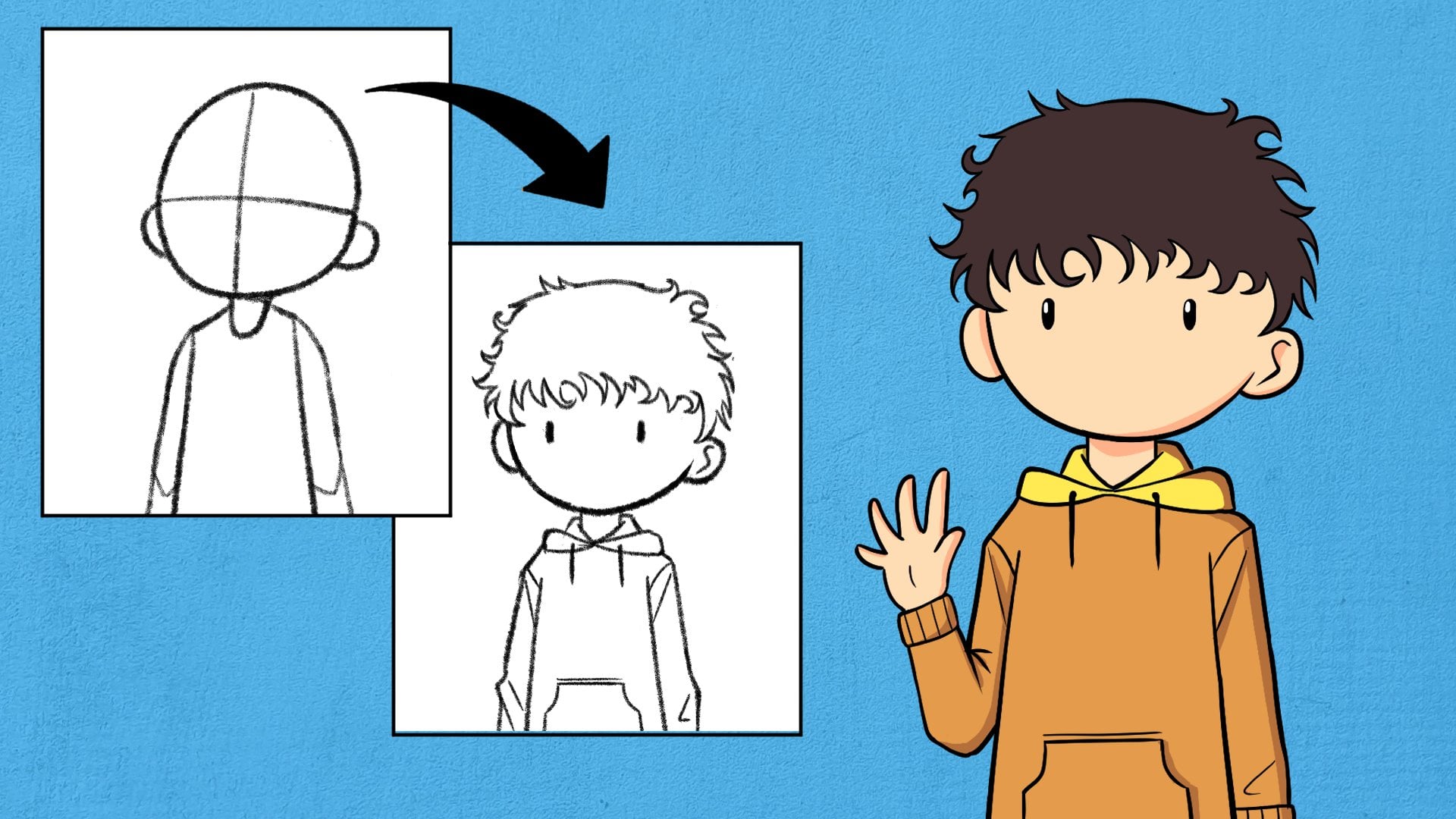
Traditional animation also known as cel animation is the original form of animation where each frame is drawn by hand. This style was the foundation of animation before digital tools emerged, and it defined the golden age of animated cinema.
How It Works
Animators draw every frame on acetate sheets (called cels), which are photographed in sequence to create movement. Skilled artists meticulously adjust characters and backgrounds to simulate motion.
Best For
✔ Classic storytelling
✔ Rich character performance
✔ Artistic expression
Iconic Example
Disney’s Snow White and the Seven Dwarfs and Bambi were seamlessly crafted using traditional animation techniques.
2. 2D Animation (Digital & Vector-Based)


2D animation brings classic animation into the digital era. Instead of hand-drawing on paper, artists use software like Adobe Animate or Toon Boom Harmony to create flat, two-dimensional movement.
Key Techniques
- Frame-by-Frame – Each frame is individually drawn, much like traditional animation
- Keyframe Animation – Animators define major poses, and software fills in the rest
- Vector Animation – Graphics are scalable and clean, perfect for modern designs
Use Cases
👍 Explainer videos
👍 Mobile apps & UI/UX motion
👍 Cartoon series
Digital 2D animation is cost-effective, versatile, and perfect for projects where classic aesthetics meet modern production.
3. 3D Animation (CGI)


3D animation (often referred to as CGI or computer-generated imagery) creates fully three-dimensional worlds, characters, and objects using software. This style adds depth, lighting, texture, and realism not possible in flat 2D.
Production Stages
- Modeling – Build the digital mesh
- Texturing – Apply materials & surface detail
- Rigging – Create a skeleton for movement
- Animation – Bring models to life
- Lighting & Rendering – Final visual polish
Best For
🎬 Feature films
🕹 Games & VR experiences
📺 High-end commercials
3D animation is immersive and visually stunning but it requires advanced tools, skilled talent, and more production time.
4. Stop Motion Animation

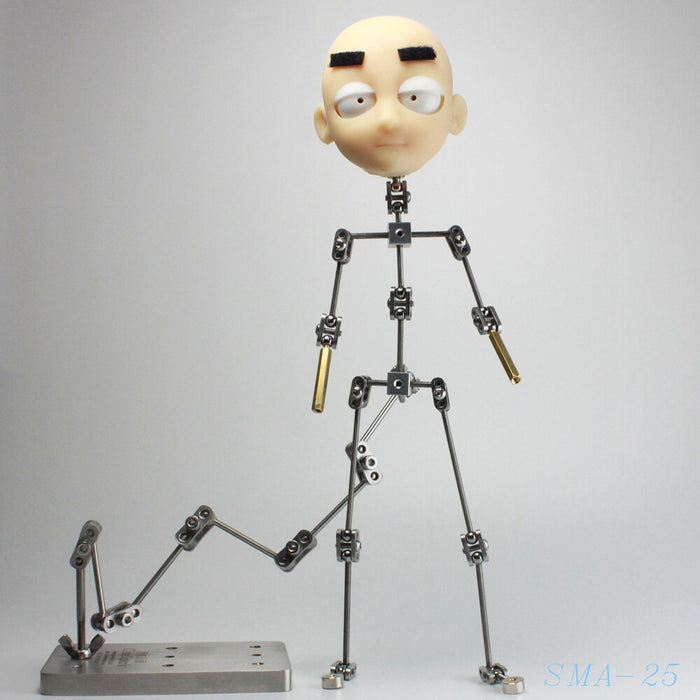
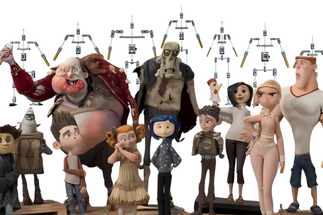
Stop motion animation uses real objects, photographed frame by frame with subtle changes between each shot. When played sequentially, these images create a lifelike movement.
Popular Forms
- Claymation (modeling clay figures)
- Puppet Animation (articulated figures)
- Object Animation (toys, props, miniatures)
Pros & Cons
✔ Tangible, artistic texture
✖ Very time-intensive
This tactile technique is beloved for its handcrafted charm and artistic flair.
5. Motion Graphics

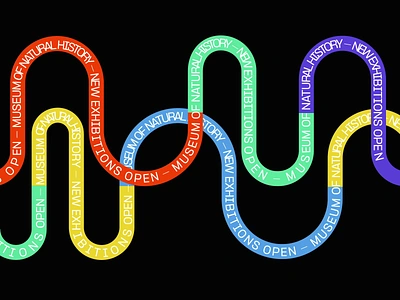
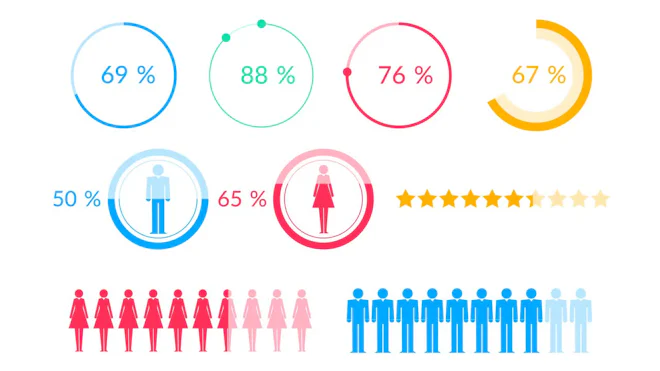
Motion graphics focus on animated design elements, typography, and graphical shapes, rather than characters or narratives. These animations make data, ideas, and brands communicate clearly and dynamically.
Where You See It
📊 Explainer videos
📈 Infographics
🎥 Animated logos
📱 Broadcast graphics
Motion graphics are highly effective in business presentations and digital marketing, where clarity and engagement matter most.
6. Whiteboard Animation
Whiteboard animation simulates drawings being created on a white surface in real time to visualize a story or concept. It combines narration with sequential illustration.
Best For
✔ Educational & training content
✔ Corporate explainers
✔ Simple storytelling
It’s popular in instructional videos, e-learning, and marketing explainers because it’s both effective and affordable.
7. Rotoscoping Animation
Rotoscoping involves tracing over live-action footage to create fluid animated motion. This technique bridges realism and creativity, combining filmed performances with artistic interpretation.
Why It’s Unique
✔ Realistic character movement
✔ Artistic flexibility
It’s especially helpful in projects where expressive motion and real human action must be preserved.
8. Motion Capture (MoCap) Animation
Motion capture records real human movements using sensors or tracking systems. These movements are then transferred to digital characters to produce lifelike animation often used in high-end films and games.
Uses
🎮 Video games
🎥 Cutting-edge films
📺 Virtual production
MoCap enhances realism and massively improves production efficiency for complex character animation.
9. Mixed & Hybrid Animation
Many modern productions combine techniques — blending 2D and 3D elements, or integrating animation with live-action footage for visually striking results.
Examples
🎥 Animation + real actors
🎨 2D overlays on 3D environments
🎥 Cinematic visual effects
This hybrid approach lets creatives break conventional boundaries.
10. Experimental & Artistic Animation
Experimental animation pushes beyond standard styles, exploring abstract visuals, material textures, or unique artistic expressions. From sand animation and paint-on-glass to silhouette or silhouette-inspired styles, these techniques expand creative languages.
Creative Examples
✔ Silhouette Animation
✔ Sand & paint animation
✔ Mixed media effects
Animation Styles by Genre (What They Feel Like)
Animation isn’t just about technique it’s also about genre and visual personality:
🔹 Cartoon & Slapstick
🔹 Anime & Stylized Art
🔹 Educational & Explainer
🔹 Corporate Brand Animation
🔹 Sci-fi & Fantasy
🔹 Minimalist & Abstract
Each genre carries a different emotional tone and audience appeal.
Comparing Major Animation Types
| Animation Type | Best For | Cost | Production Time |
|---|---|---|---|
| 2D Animation | Explainers & Web Series | Medium | Medium |
| 3D Animation | Films & Games | High | Long |
| Motion Graphics | Business & Marketing | Low–Medium | Short |
| Stop Motion | Artistic Narratives | High | Long |
| Whiteboard | Learning & Training | Low | Short |
How to Choose the Right Animation Type
Ask yourself:
🎯 What’s your goal storytelling, branding, education?
📌 Who is your audience kids, professionals, gamers?
💡 What’s your budget and timeline?
💻 Do you favor realism or stylized aesthetics?
For business explainer videos motion graphics and 2D are often most effective. For product showcases 3D shines. For artistic storytelling stop motion or experimental styles add authenticity.
Why Choose Split Arts for Animation
At SplitArts.com, we specialize in delivering high-quality animation across styles:
👉 2D & Vector Animation
👉 3D Animation & Product Visuals
👉 Motion Graphics
👉 Whiteboard Explainers
👉 Rotoscoping & Mixed Techniques
👉 MoCap & Cinematic Production
We combine creative vision with technical precision to bring your ideas to life.
Get a free quote: https://splitarts.com/contact-us/
Final Thoughts
Animation is a dynamic and ever-evolving field from classic hand-drawn art to immersive 3D universes and hybrid storytelling techniques. Whether you’re creating a corporate explainer or a feature film, understanding the types of animation helps you make strategic creative decisions.
Start your animation journey today let Split Arts bring your vision to life with world-class animated content.
FAQs
Q1. What are the main types of animation?
Animation includes traditional, 2D digital, 3D CGI, stop motion, motion graphics, whiteboard, rotoscoping, motion capture, hybrid, and experimental formats.
Q2. Which animation style is best for business marketing?
Motion graphics and 2D animation are usually most effective for brand engagement, explainer videos, and onboarding content.
Q3. Is CGI the same as 3D animation?
CGI refers to computer-generated imagery, and 3D animation is a core format within it that uses three-dimensional digital creation.