Walking down a grocery aisle in 2026 feels like navigating a visual battlefield. Every box screams for attention and every bottle claims to be premium while looking identical to its neighbor. Consumers make purchase decisions in under two seconds and your packaging has one shot to stop their scroll or their cart.
The food and beverage industry in the USA is absolutely saturated. New brands launch daily on Amazon and Instacart while legacy giants defend shelf space with multimillion dollar campaigns. Standing out requires more than a clever logo or a trendy color palette. It demands visual content that makes someone physically reach for your product instead of the competitor sitting right beside it.
Traditional food photography has dominated CPG marketing for decades but it is hitting serious walls. Photoshoots require physical prototypes, perfect lighting rigs, and food stylists who charge insane day rates. Furthermore, reshooting for every seasonal flavor or packaging tweak burns through budgets that emerging brands simply cannot afford.
How does 3D animation make packaging irresistible
Three dimensional packaging animation transforms flat box designs into dynamic sensory experiences. A cereal box rotates slowly under studio lighting while milk splashes around it in impossible slow motion. Furthermore, animated packaging reveals interior textures and ingredient layers that photography struggles to capture honestly.
The human brain processes motion significantly faster than static images and brands leverage this biological fact ruthlessly. Animated content on social feeds stops thumbs mid scroll because movement triggers involuntary attention. Moreover, packaging animations allow consumers to examine products from angles that physical photography cannot achieve.
3D product rendering creates assets that look indistinguishable from high end studio photography while offering infinite flexibility. Change the flavor colorway, swap the label design, or adjust the lighting mood without booking another shoot. Consequently, brands iterate packaging concepts at speeds that leave competitors using traditional methods in the dust.
Why do top brands trust 3D animation ads
Major CPG players like PepsiCo, Nestle, and Kraft Heinz have quietly shifted significant portions of their visual production to animated pipelines. They recognized that traditional shoots cannot keep pace with the content demands of modern digital marketing. Furthermore, animated assets maintain perfect consistency across global markets where photography logistics become nightmares.
Top brands trust animation because it eliminates variables that plague physical production. No melting ice cream, wilting lettuce, or condensation timing issues. Every frame looks exactly as intended regardless of when or where it gets deployed.
The scalability factor matters enormously for brands managing dozens of SKUs across multiple retail channels. One base model can generate hundreds of variations for Walmart, Target, and regional grocers. 3D animation video services have become the backbone of visual asset management for companies operating at serious scale.
How does 3D animation power beverage launches
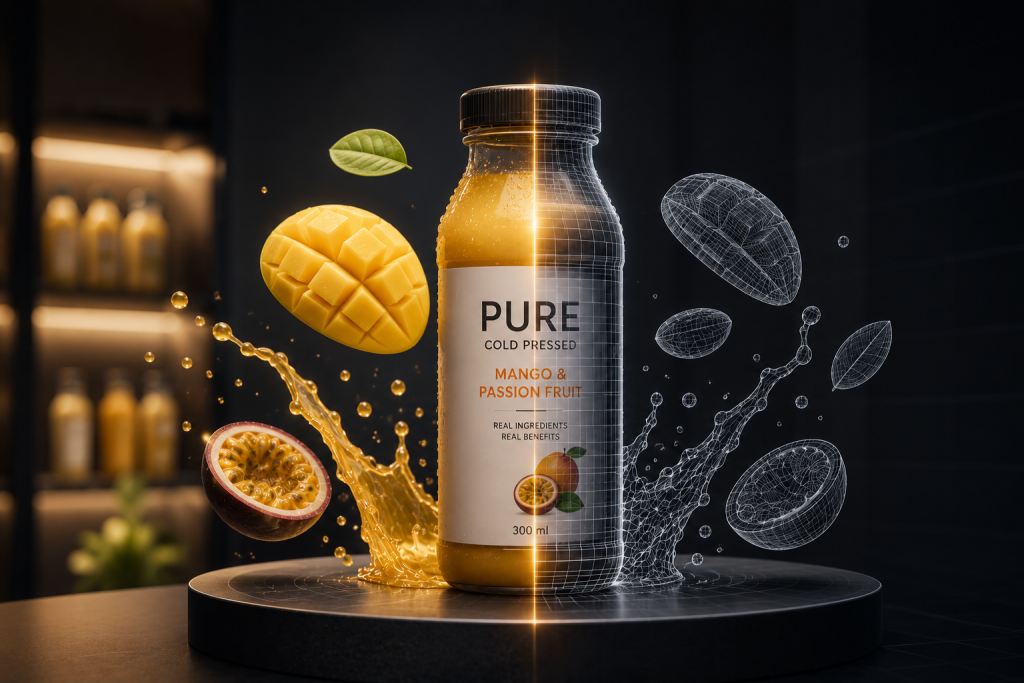
Beverage launches live or die by their visual first impression and animation delivers that impression with cinematic precision. A new energy drink explodes onto screen with ice crystals forming in real time while droplets race down the can surface. Furthermore, animated launches can visualize consumption moments like the perfect pour or the satisfying fizz that photography captures inconsistently.
Social media algorithms heavily favor video content and beverage brands need scroll stopping loops for TikTok and Instagram. Animated beverage content performs exceptionally because it controls every visual variable perfectly. The liquid never goes flat, the condensation never evaporates, and the lighting never turns ugly.
Pre launch marketing becomes significantly easier when you do not need physical product samples. Brands can start generating buzz months before manufacturing finishes by releasing animated teaser content. Consequently, beverage startups enter the market with established visual identities rather than scrambling for content post production.
How does 3D animation transform food rebranding
Rebranding legacy food products requires walking a tightrope between familiarity and freshness. Animation allows brands to visualize multiple packaging directions simultaneously without committing to physical print runs. Furthermore, animated transition sequences can literally morph old packaging into new designs showing consumers the evolution story.
Heritage brands like Campbell’s and General Mills have used animated content to modernize their visual language without alienating loyal customers. The animation shows the same beloved product inside a contemporary package. Moreover, ingredient storytelling becomes visceral when animated cameras dive through crispy coatings or swirl through velvety sauces.
Motion graphics for marketing rebrand campaigns add kinetic energy that signals change and innovation. Static before and after comparisons feel like corporate memos. Animated transformations feel like events worth paying attention to.
Is 3D animation truly cheaper than photography
The honest answer depends on project volume but animation wins decisively at scale. A single photoshoot for one SKU might cost less than a full animation build. However, when you need twenty angles, five flavor variations, and seasonal updates the math flips dramatically.
Animation eliminates location fees, equipment rentals, food stylists, and weather contingencies. The studio builds the asset once and generates infinite variations from that same model. Furthermore, rush timelines become manageable because artists can work overnight renders rather than coordinating schedules with photographers and studios.
For USA based food startups watching every dollar, animation offers predictable budgeting without surprise overages. You know exactly what the deliverables cost before production begins. Moreover, asset updates six months later cost fractions of the original investment.
Why is 3D animation unbeatable for liquid effects
Liquid simulation represents the crown jewel of modern food animation. Water, juice, soda, and sauce behave according to complex physics that animation software handles with breathtaking accuracy. Furthermore, artists control viscosity, surface tension, and splash dynamics to create visuals that exceed what practical effects achieve.
A photograph of juice pouring captures one moment and one lighting condition. An animation captures the entire arc from bottle tilt to glass fill with perfect lighting throughout. Additionally, camera angles can follow droplets through midair or dive beneath the liquid surface for impossible perspectives.
Beer foam, coffee crema, and carbonation bubbles all present unique challenges that animation solves elegantly. These effects sell thirst and freshness in ways static images simply cannot communicate. Ultimately, liquid animation triggers sensory cravings that drive purchase behavior.
Does 3D animation actually boost CPG conversions
Conversion data from major retailers and DTC brands strongly supports animated content performance. Product pages featuring animated loops show higher add to cart rates than those using static photography alone. Furthermore, email campaigns with animated headers generate click through rates that crush industry benchmarks.
The mechanism is straightforward. Animation extends dwell time and increased dwell time correlates directly with purchase intent. When someone watches your protein bar break apart revealing layers of caramel and nuts they imagine tasting it.
Social commerce platforms like TikTok Shop and Instagram Checkout reward video content with algorithmic preference. Brands investing in 3d animation video services gain organic reach advantages that static dependent competitors cannot match.
Why choose 3D animation for seasonal campaigns
Seasonal food marketing moves at breakneck speed and animation keeps pace effortlessly. Halloween packaging transforms into holiday editions with a few texture swaps and lighting adjustments. Furthermore, animated seasonal content can incorporate environmental elements like falling leaves or winter snow without building physical sets.
Pumpkin spice lattes, summer lemonade, and spring botanical releases all benefit from animated storytelling that matches the seasonal mood. The colors shift, the backgrounds change, and the product remains perfectly lit throughout every variation. Moreover, brands can test seasonal concepts visually before committing to expensive packaging print runs.
Limited time offers demand rapid content turnaround that photography cannot reliably deliver. Animation studios produce complete seasonal campaigns in days rather than weeks. Consequently, CPG marketers never miss narrow launch windows due to production delays.
How do brands win with 3D animation ads
Winning brands treat animation as a core creative strategy rather than a production shortcut. They develop distinctive visual languages that consumers recognize instantly across every touchpoint. Furthermore, they optimize animated content specifically for each platform rather than republishing identical cuts everywhere.
Winning animation ads tell micro stories in under fifteen seconds. A chip dips into salsa, a soda can cracks open with frost particles, or a chocolate shell shatters revealing creamy filling. These moments create sensory associations that linger in consumer memory long after the ad finishes.
The best brands also use animation for interactive experiences like configurators and augmented reality filters. Consumers can rotate products, swap flavors, or visualize scale in their own kitchens. 3D product rendering transforms passive viewers into engaged participants.
Why are USA startups betting on 3D animation
American food startups operate in hyper competitive environments where first impressions determine survival. They cannot afford six figure photoshoots for products that might pivot based on market feedback. Animation allows them to look like established players without spending like one.
Venture backed brands like Magic Spoon and Olipop built massive social followings partly through distinctive animated content. Their feeds look polished and expensive even when their teams are lean. Furthermore, animation enables rapid A B testing of visual approaches to discover what resonates before scaling spend.
Investors respond positively to brands with professional visual assets because it signals operational maturity. A startup with cinematic product animation looks ready for retail placement rather than still figuring things out. Ultimately, animation helps young brands punch above their weight class.
The Production Process for Food Animation
Every food animation project begins with detailed product modeling and material analysis. Artists study surface properties like glossiness, translucency, and subsurface scattering to achieve photorealism. Furthermore, reference photography of actual products ensures proportions and details remain accurate.
Rigging and simulation setups handle complex behaviors like pouring, splashing, crumbling, and melting. Lighting artists recreate studio environments or invent impossible lighting scenarios that enhance appetite appeal. Additionally, compositing teams layer multiple render passes to achieve perfect color balance and atmospheric depth.
Delivery formats include horizontal hero videos, vertical social cuts, and seamless looping GIFs for email marketing. Most studios offer revision rounds for texture, lighting, and camera adjustments. Consequently, timelines range from two to six weeks depending on complexity and liquid simulation requirements.
Pricing and Budget Considerations
Simple product turntables and basic packaging rotations start around one thousand to two thousand dollars. Mid tier campaigns with liquid simulations and environmental storytelling run between five thousand and fifteen thousand. Furthermore, comprehensive seasonal campaigns with multiple SKUs and platform optimizations can reach thirty thousand plus.
The real savings emerge when you calculate cost per asset over time. One animated product model generates social content, website assets, trade show loops, and retail displays indefinitely. Moreover, flavor extensions or packaging updates require minimal additional investment.
Smart brands negotiate retainer relationships with studios for ongoing content production. This approach ensures consistent visual quality and predictable monthly costs. Ultimately, animation budgeting should focus on lifetime value rather than single project expense.
Frequently Asked Questions
How long does a typical food animation take?
Standard product animations require two to four weeks from kickoff to final delivery. Complex liquid simulations or multi product scenes extend timelines to six weeks. Furthermore, rush delivery options exist for urgent launches at premium rates.
Can animation match my existing photography style?
Absolutely. Studios analyze your current visual identity and replicate lighting, angles, and mood precisely. This ensures animated content integrates seamlessly with existing catalogs. Moreover, many brands use animation to elevate their entire visual standard gradually.
Do I need physical samples to start?
Physical samples help but are not always mandatory. Studios can work from packaging design files, spec sheets, and reference images. Furthermore, early stage brands often animate from prototypes before manufacturing finalizes.
What platforms work best for animated food content?
Instagram Reels, TikTok, and Amazon product pages currently deliver the strongest performance. YouTube pre roll and connected TV ads also show excellent engagement for food categories. Additionally, animated content performs well in email marketing and retail digital signage.
Is animation suitable for organic and natural brands?
Yes, and it often works better because animation can visualize ingredient provenance and freshness. Slow motion pollen falling on honey or water droplets on organic leaves tells natural stories beautifully. Ultimately, the style adapts to any brand positioning.
Conclusion
The USA food and beverage landscape rewards brands that understand visual storytelling is not optional anymore. Consumers decide with their eyes first and their wallets second. Animation gives you complete control over that first impression.
Split Arts creates 3d animation video services that help American food brands look premium, move product, and build cult followings. Their team knows how to make soda look thirst quenching and snacks look absolutely addictive. Furthermore, they deliver content that performs across every platform from TikTok loops to Kroger endcap displays.
If your packaging is getting ignored or your launch content looks like everyone else’s, the issue is not your recipe. It is your visuals. Reach out to Split Arts and let them build the animated content that finally gets your product the attention it deserves.