
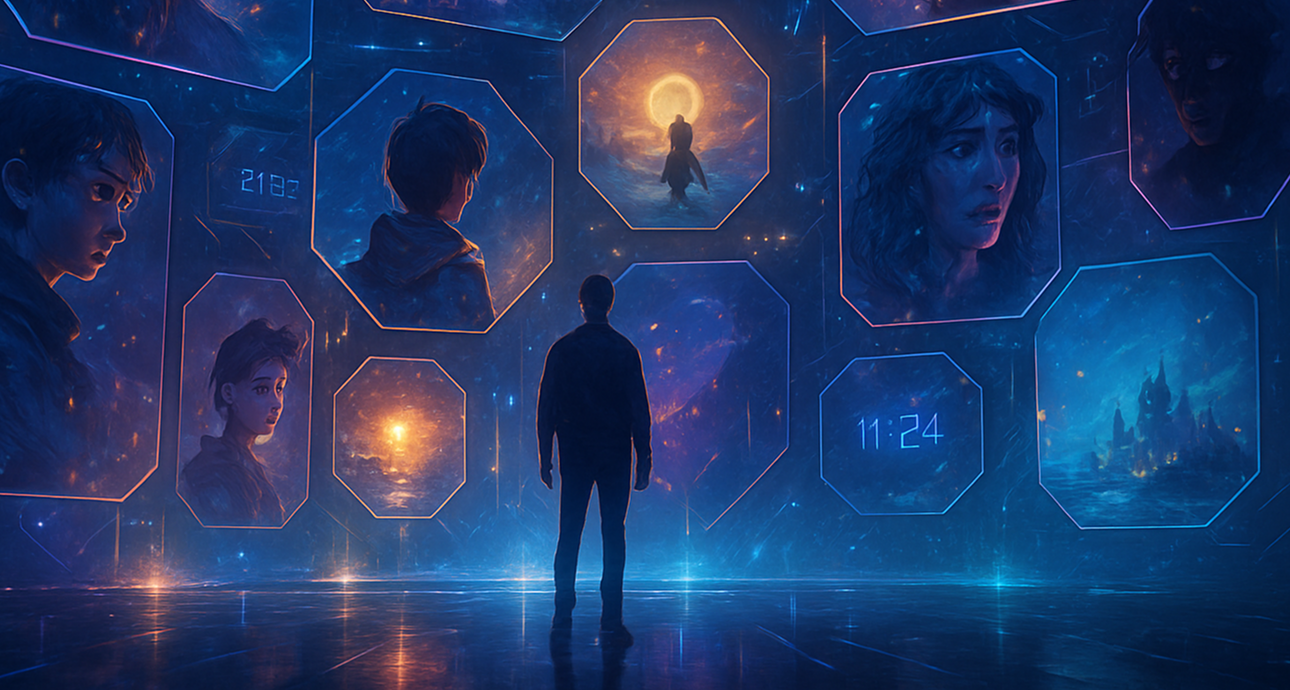
Animation, as we know it, has evolved dramatically over the years. From the early days of 2D animation to the sophisticated world of 3D animation, the technology continues to push boundaries. Now, with the advent of 5D animation, a whole new dimension is added to visual storytelling. 5D animation takes animation to unprecedented levels by combining realism, interactivity, and immersive sensory experiences, creating a world where viewers don’t just watch the animation they live it.
The Evolution of Animation: From 2D to 5D
To understand what sets 5D animation apart, let’s first revisit its predecessors:
- 2D Animation: This is the classic form of animation, where characters and objects are created in a flat, two-dimensional space. Examples include traditional hand-drawn animations and early cartoons.
- 3D Animation: With 3D animation, characters and objects are given volume and depth, creating a more realistic, three-dimensional effect. This form of animation is widely used in modern films and video games.
- 4D Animation: Building upon 3D, 4D animation adds an interactive experience, often using motion seats, wind, or even smells to further immerse the audience in the experience.
5D animation goes beyond just visual and physical effects it can engage the audience in new ways, creating emotional and sensory connections through innovative experiences. Through the incorporation of spatial depth, advanced interactive features, and an enhanced emotional connection, 5D animation becomes a truly multisensory journey.
What is 5D Animation?
5D Animation combines cutting‑edge visual content with multisensory effects, interactivity, and sometimes artificial intelligence (AI) to create a deeply immersive and responsive experience. Unlike classical 3D animation, which focuses on depth and realism, 5D goes further by engaging additional senses (such as touch, motion, wind, vibration, or even scent) and giving users partial control over the narrative or environment.
To break it down:
- 3D Foundations: Realistic 3D visuals and character models created with advanced software.
- Multisensory Effects: Wind, motion seats, vibrations, smells, and environmental effects synced with animation.
- Interactivity: Users can influence the storyline, explore environments, or take part in the action.
- Immersion: Combines gaming technology, VR/AR, and sensory feedback so audiences are part of the story not just watchers.
Some industry experts explain that without user interactivity and sensory feedback, the experience is closer to a 4D attraction not true 5D.mbined, 5D animation takes storytelling into a fully interactive experience, where the audience feels physically and emotionally involved.
How Does 5D Animation Work?
The magic behind 5D animation lies in the seamless integration of several technologies and creative processes. Here’s how it works:
1. 3D Animation as the Base
At the heart of every 5D experience is 3D animation. This includes:
- Character design: Models of characters are designed using 3D modeling software.
- Scene creation: Backgrounds and environments are built in 3D to create realistic depth and perspective.
- Texturing and lighting: These elements help bring the characters and environments to life, adding realism.
2. Adding Sensory Effects (Haptic Feedback, Motion, etc.)
Once the 3D models are ready, sensory technologies are added to make the animation more engaging:
- Motion seats: These seats move in sync with the action, making the audience feel like they are part of the scene. For example, if the character in the animation is running, the seat will shake or tilt accordingly.
- Wind, heat, or water: Simulating wind, mist, or heat gives viewers a feeling of being physically in the environment.
- Vibrations: Certain scenes, like explosions or intense action moments, may trigger seat vibrations to amplify the experience.
3. Interactive Technology
One of the key differentiators of 5D animation is interactivity. Unlike passive 2D or 3D movies, viewers in 5D experiences can interact with the content:
- Decision-making: In some 5D experiences, the viewer can choose different paths or outcomes in the storyline.
- User engagement: Interaction could also include physical movements or gestures captured by sensors in VR setups that allow the viewer to move or touch objects within the virtual world.
4. Immersion Using VR/AR
To fully immerse viewers, 5D animation often integrates Virtual Reality (VR) or Augmented Reality (AR) technologies. These technologies:
- VR: Places the viewer in a 360-degree animated world, allowing for exploration and interaction with the environment.
- AR: Adds animated elements to the real world, visible through devices like smartphones or AR glasses.
5. Real-Time Rendering
The rendering process involves turning digital models and environments into visual content, ready for viewing. With 5D animation, real-time rendering is critical for ensuring smooth experiences where the animation reacts instantly to user input or sensory effects. Game engines like Unity and Unreal Engine are commonly used for rendering and interacting with 5D animation content.
How is 5D Animation Used? Applications Across Industries
The potential of 5D animation spans across multiple industries, from entertainment to education to marketing. Below are some of the most exciting applications:
1. Entertainment: Theme Parks, Cinemas, and Virtual Worlds
The entertainment industry was one of the first to embrace 5D animation, and it continues to drive innovation in immersive experiences.
- Theme Parks: Disneyland and Universal Studios use motion-based rides, where the viewer feels the action wind, movement, and vibrations along with the visual experience. The next step in this progression will include 5D environments where viewers interact with the characters and change the storyline.
- Virtual Reality Experiences: 5D VR simulations immerse users in virtual worlds, where they can physically move, feel, and control their environment. Imagine exploring a forest where you hear the rustling of leaves, feel the wind, and control your path through the trees.
2. Education: Real-Life Simulations and Immersive Learning
5D animation offers transformative potential in education, where students can learn by experience rather than by watching.
- Medical Training: Medical students can practice complex surgeries in a virtual 5D environment, where they feel pressure, heat, or even physical resistance.
- Historical Reenactments: Imagine stepping into a historical event feeling the wind on your face or the heat from a battle making history lessons deeply immersive and impactful.
3. Marketing and Consumer Engagement
Brands are increasingly using 5D animation to engage consumers on a deeper level.
- Interactive Ads: Companies can create virtual product experiences, where consumers can touch and feel products in a virtual world. Think of a perfume brand offering a 5D experience where users can virtually smell the fragrance.
- Product Showcases: Virtual reality product demos allow potential customers to see, hear, and feel the product’s impact in real-time.
4. Healthcare and Therapy
In healthcare, 5D animation can revolutionize therapy and rehabilitation.
- Physical Therapy: Patients recovering from injuries can engage in interactive, gamified rehab exercises that provide feedback through motion capture and haptic feedback.
- Stress Relief: Using immersive 5D environments, therapists can help patients relax in a calming virtual world where they hear soothing sounds, feel the warmth of sunlight, or smell the scent of nature.
Software and Tools Used in 5D Animation Production
Creating 5D animation involves using a variety of sophisticated software tools. Below are some of the key tools:
1. 3D Animation Software
- Maya: A powerful tool for creating highly detailed characters and environments used in 5D animation.
- Blender: An open-source 3D creation suite that can be used for modeling, texturing, and animating in 5D.
- 3DS Max: Another tool for 3D modeling, animation, and rendering widely used in creating 5D animation content.
2. Game Engines (Real-Time Rendering and Interaction)
- Unity: A widely-used game engine that allows for real-time interactive experiences, perfect for VR and 5D applications.
- Unreal Engine: Known for its photorealistic rendering, it’s used to create immersive and high-quality 5D experiences.
3. Virtual Reality (VR) & Augmented Reality (AR) Tools
- Oculus SDK: A set of tools for creating VR experiences, perfect for developing 5D content.
- ARKit & ARCore: Tools from Apple and Google, respectively, that enable developers to build augmented reality experiences.
4. Motion Capture and Haptic Feedback
- Vicon: Motion capture technology that captures human movement to animate characters.
- Sensory Haptic Feedback: Devices that provide sensory feedback, like gloves or suits, to simulate touch or vibration for a more immersive experience.
5D Animation in Practice: Challenges & the Future
High Costs & Hardware Complexity
The biggest barriers to widespread 5D adoption are the expensive hardware (e.g., motion seats, scent machines) and complex software pipelines needed to synchronize sensory effects with animation.
Future Potential
As technologies like AI, VR, AR, and real‑time graphics converge, 5D experiences are expected to expand beyond theme parks into mainstream gaming, storytelling, marketing, and even everyday education.
Conclusion
5D animation represents the next frontier in how we experience digital storytelling. It’s not just about what we see or hear it’s about how we interact with the environment, feel the sensations, and live inside the story. With its potential to reshape industries from entertainment to education and marketing, 5D animation is truly the future of immersive experiences. As technology continues to evolve, we can only expect the possibilities of 5D animation to expand, taking us further into the realms of digital interaction.
If you’re interested in exploring how 5D animation can elevate your projects, take a look at our services, where we bring cutting-edge animation techniques to life.