Winning a construction bid in the USA is brutal right now. You’re not just competing on price anymore, you’re competing on clarity, confidence, and how fast a client “gets” your vision.
And here’s the uncomfortable truth, like most bids die not because the numbers were wrong, but because the client couldn’t see the project.
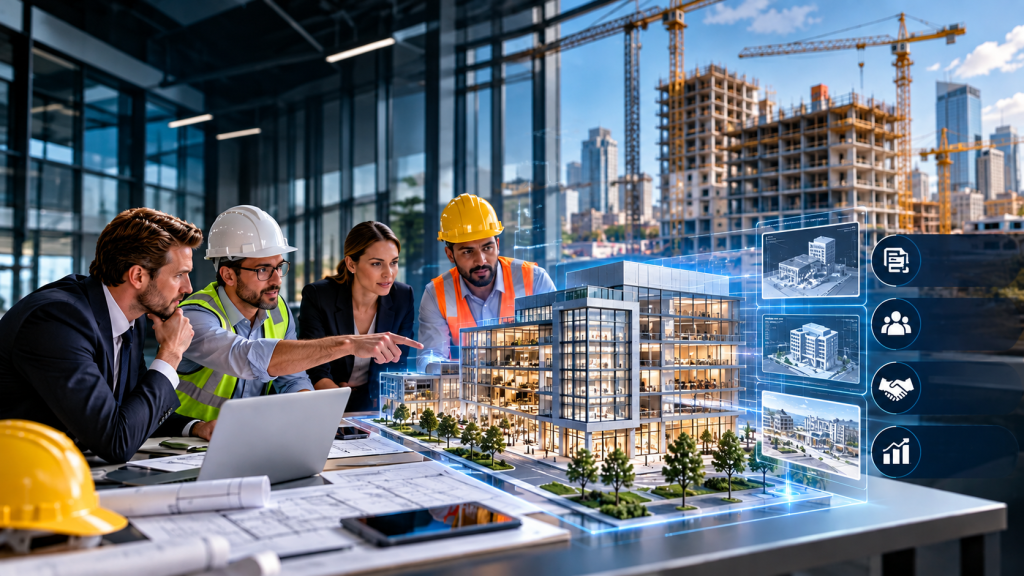
That’s exactly where 3D animation flips the game. Instead of handing a committee a stack of blueprints, you hand them a movie of their future building.
Without further ado, let’s check why bids get rejected, how 3D animation fixes the visualization gap, what it actually costs, and whether your firm should even bother. Let’s get into it.
Why Do Construction Bids Get Rejected
Before we talk about solutions, we need to understand the problem. Rejection rarely feels personal but it almost always has a pattern.
Most construction bids in the USA get turned down for a handful of predictable reasons. Understanding them is the first step to fixing your close rate.
The Blueprint Blindness Problem
Blueprints and 2D drawings are a foreign language to most decision-makers. The person signing the check is often a developer, investor, or board member, not an engineer.
So when they review five bids, they subconsciously pick the one they understood the fastest, because confusion creates doubt, and doubt kills deals.
Bids That All Look the Same
Alright so if your proposal looks like everyone else’s, you’re competing on price alone. And competing on price is a race to the bottom nobody wins.
Moreover, when every firm submits similar documents, clients default to the lowest number. That’s a lose-lose for quality builders.
Weak Storytelling in the Presentation
Numbers tell, but stories sell. A bid that lists specs without showing why the design works feels cold and risky.
As a result, firms with slightly worse pricing but better presentation often walk away with the contract. It happens more than most estimators want to admit.
How Does 3D Animation Help Clients Visualize a Project
This is where the magic starts. 3D animation turns abstract plans into something people can actually feel.
Instead of asking a client to imagine the finished bridge, you show them driving over it. That’s a completely different emotional experience.
From Flat Drawings to Flying Cameras
A 3D animated walkthrough moves a client through the site, over the crane, through the lobby, up the elevator shaft. Moreover, they see materials, lighting, and scale in photorealistic detail.
Suddenly, “200,000 sq ft mixed-use development” becomes a place they can picture opening day. That’s powerful.
Selling the Experience, Not Just the Structure
Clients don’t buy concrete and steel, they buy what the space does for them. A great animation shows the atrium full of light at noon or the retail plaza buzzing at dusk.
On top of that, this emotional layer is what makes your bid memorable after the committee meeting ends.
Winning Over Non-Technical Stakeholders
Board members, city officials, and investors don’t read drawings. However, they will watch a two-minute video.
That means your design intent survives contact with the people who actually approve budgets. And honestly, that’s half the battle.
What Role Does 3D Animation Play in Winning Contracts
Pretty visuals alone don’t pay the bills. The real value shows up in close rates and contract sizes. Firms across the USA are using bid animations as a strategic weapon, not just a design toy.
Standing Out in a Stack of Bids
Picture a review committee with twelve proposals on the table. Eleven are PDFs. One is a cinematic 3D flythrough of the exact project they’re funding.
Which one gets discussed longest? Exactly. Moreover, being memorable directly correlates with being shortlisted.
Building Instant Trust and Credibility
A polished animation signals professionalism before you say a word. It tells the client, “This firm invests in doing things right.”
As a result, clients often perceive animated bids as lower-risk, even when the price tag is higher. Trust is the hidden currency of bidding.
Real Numbers USA Firms Are Seeing
Let’s put some meat on the bones. While every project differs, firms consistently report meaningful lifts after adding animation to their bids.
| Result Area | What Firms Commonly Report |
| Shortlist rate | Noticeably higher vs. document-only bids |
| Client comprehension | Faster approval from non-technical stakeholders |
| Rework due to misunderstandings | Significantly reduced change orders |
| Presentation feedback | Committees remember animated bids weeks later |
How Do Engineering Firms Explain Plans with 3D Animation
Engineering is complicated, that’s the whole point of the profession. But complexity is a liability during a pitch.
Smart engineering firms use animation as a translation layer between technical precision and client understanding.
Turning Technical Specs into a Story
Instead of explaining load calculations, you show the structure holding. Instead of drainage diagrams, you show water flowing correctly during a storm simulation.
This approach keeps the engineering rigor intact while making it digestible. Moreover, clients feel smart for understanding, and that’s a gift you give them.
Phased Construction Sequencing
One underrated trick is animating the construction sequence itself. Clients see exactly how the site evolves from groundbreaking to ribbon-cutting.
This demonstrates your planning competence before you’ve poured a single yard of concrete. It’s proof of expertise, visualized.
Safety and Logistics Made Visible
Crane paths, traffic rerouting, staging areas, these are hard to explain in a schedule spreadsheet. In animation, they’re obvious.
As a result, clients trust your logistics planning because they can literally watch it work. That confidence carries real weight in scoring.
How Does 3D Animation Reduce Miscommunication
Miscommunication is the silent budget-killer in construction. Every misunderstood drawing becomes a change order, a delay, or a dispute.
Animation attacks this problem at the source, before the contract is even signed.
Everyone Sees the Same Thing
When ten stakeholders review a drawing set, they form ten different mental pictures. With one animation, they all share a single reference point.
That shared vision eliminates the “I thought it would look like…” conversations that plague projects. Moreover, it aligns expectations from day one.
Fewer Surprises After Award
The most expensive surprises happen after construction starts. Animations surface design questions while changes are still cheap, during the bid phase.
In short, you’re paying a small cost upfront to avoid massive costs later. That’s not an expense; it’s insurance.
Faster Approval Cycles
When reviewers understand the project immediately, they approve it faster. Committees spend less time requesting clarifications.
Consequently, your bid team spends less time in endless Q&A rounds. Time saved is money saved, and morale preserved.
How Much Does 3D Animation Cost for Bids
Alright, the question everyone actually cares about. But honestly it depends, but the ranges are more accessible than most firms assume.
Pricing typically scales with duration, detail level, and deadline pressure. Here’s the breakdown for the USA market:
| Animation Type | Typical Cost Range | Best For |
| Simple flythrough (60–90 sec) | $3,000 – $8,000 | Smaller commercial bids |
| Photorealistic walkthrough | $8,000 – $20,000 | Major developments, public tenders |
| Full construction sequencing video | $15,000 – $40,000+ | Large infrastructure, design-build |
| Interactive/real-time models | Varies widely | Tech-forward presentations |
Is It Worth the Investment
Let’s do quick math. If a $50M project has a profit margin of even 3%, that’s $1.5M.
Spending $10,000 to meaningfully improve your odds of winning that contract is a no-brainer. Moreover, animation assets get reused across proposals, marketing, and stakeholder updates.
Budget-Friendly Ways to Start
You don’t need a Hollywood budget on day one. Start with a focused 60-second sequence of your project’s hero moments.
Many firms partner with specialized 3D animation services USA providers like Split Arts to get studio quality without building an in-house team. That keeps costs predictable and results professional.
How Long Does It Take to Create a Bid Animation
Timing matters in bidding, animations are useless if they arrive after the deadline. The good news is production timelines are very manageable with planning.
A typical bid animation follows a structured pipeline, and each stage has a realistic duration.
Typical Production Timeline
| Stage | Duration |
| Script & storyboard | 3–5 days |
| 3D modeling & environment | 1–2 weeks |
| Animation & camera work | 1 week |
| Rendering & post-production | 1 week |
| Revisions & final delivery | 3–5 days |
Rush Options When Deadlines Are Tight
Bid timelines can be brutal, we do get it. Most studios offer expedited turnaround for urgent RFPs, sometimes delivering in under two weeks.
However, rush work costs more and limits revision rounds. The smart move is engaging your animation partner the moment the RFP drops, not a week before submission.
Planning Animation Into Your Bid Calendar
Treat animation like any other bid deliverable, schedule it, budget it, assign ownership. Moreover, build two revision rounds into your timeline, committees always have notes.
What Results Do USA Firms See After Using 3D Animation
Theory is nice, but outcomes are better. Firms that commit to animated bidding consistently report transformations beyond just winning more work.
The effects ripple through their entire business development process.
Higher Win Rates on Competitive Tenders
The most common feedback?
“We stopped losing bids we should have won.”
Animation removes the comprehension variable from the equation. Moreover, firms report getting shortlisted for projects above their usual tier, the animation makes them look bigger and more capable than their resume suggests.
Shorter Sales Cycles and Faster Sign-Offs
Animated bids close faster because fewer clarification rounds are needed. Clients arrive at decisions with confidence instead of hesitation.
Furthermore, the animation becomes a reusable sales asset for investor meetings, community hearings, and press releases. One investment, many doors opened.
Stronger Brand Positioning
Here’s a bonus nobody talks about, firms known for stunning bid presentations get invited to more bid opportunities in the first place.
Word travels in the industry. When you’re the firm that “shows up with the movie,” you get remembered, and re-invited.
Should Every Firm Use 3D Animation for Bids
No, not really. But almost every firm should have it in their arsenal. The key is knowing when partnering with a professional animation company USA is a strategic weapon and when it’s overkill.
1. When Animation Is a Must
Large public tenders, design-build competitions, projects with multiple non-technical stakeholders, these demand visualization. Skipping animation here is bringing a knife to a gunfight. Moreover, if your competitors are already using it, matching their presentation quality isn’t optional anymore. It’s table stakes.
2. When You Can Skip It
Small repeat clients who already trust you? A simple scope addition?
Probably fine without a cinematic production. However, even in these cases, a short animated snippet can reinforce your professionalism. It’s rarely wasted, just sometimes deprioritized.
FAQs
Why do construction bids get rejected so often?
Most bids fail because clients can’t visualize the project from 2D drawings, the proposals look identical to competitors’, or the presentation lacks a compelling story. Confusion and sameness kill more bids than bad pricing.
How does 3D animation help clients visualize a project?
It replaces flat blueprints with cinematic walkthroughs, showing scale, materials, lighting, and the finished experience. Non-technical stakeholders understand the design in minutes instead of hours.
How much does 3D animation cost for bids in the USA?
Simple 60–90 second flythroughs typically run $3,000–$8,000, while photorealistic walkthroughs range from $8,000–$20,000. Full construction sequencing videos can reach $40,000+ for major infrastructure projects.
How long does it take to create a bid animation?
Standard production takes 3–5 weeks from script to delivery. Rush turnarounds under two weeks are possible with most studios, though they cost more and allow fewer revisions.
Does 3D animation actually improve win rates?
Firms consistently report higher shortlist rates, faster approvals, fewer change orders, and stronger recall in committee reviews. On multi-million-dollar contracts, even a modest improvement in win probability far outweighs the animation cost.
Should small construction firms invest in bid animation?
If you compete for significant contracts, yes, especially against larger firms. Starting with a short, focused sequence keeps costs manageable while delivering outsized credibility.
Conclusion
The bidding game in the USA construction market has changed. Clients no longer reward the firm with the thickest document, they reward the firm with the clearest vision.
3D animation closes the gap between what you designed and what the client imagines. It kills miscommunication, builds trust instantly, and makes your bid the one people remember when the committee votes.
Split Arts, top animation services company in USA, we’ve seen firsthand how the right animation transforms a proposal from a stack of paper into a winning story. Whether you need a full architectural walkthrough or a sharp construction sequence, our team delivers 3D animation services USA firms rely on to stand out —and win!
Ready to make your next bid unforgettable? Let’s talk.